


Education Vietnam 2027
May 06 (Thu) ~ 08 (Sat), 2027,
SECC, HCMC, Vietnam
Piloting AI Education in K-12 Schools: Empowering the Next Generation of Digital Citizens
16/1/2026
.jpg)
1. Roadmap and Scale of Implementation
The pilot program will span six months, from December 2025 to May 2026. It will be implemented in selected K-12 schools across the country, covering primary, lower secondary, and upper secondary levels.
The goal of this pilot phase is to evaluate student receptivity, teacher instructional capacity, and the practicality of learning materials before officially integrating AI into the national curriculum on a larger scale.
2. Four Core Learning Strands
Unlike traditional IT programs, AI education is built on a balance between technical proficiency and humanistic values. The program is structured around four core learning strands:
- Human-Centered Thinking: Helping students understand that AI is a tool to serve and enhance human life, rather than a total replacement for human creativity and intuition.
- AI Ethics: A crucial component that educates students on transparency, data privacy, and responsible AI usage, avoiding negative impacts such as deepfakes or algorithmic bias.
- AI Technologies & Applications: Students will familiarize themselves with how AI functions—from image and voice recognition to practical applications in daily life (chatbots, robotics, and recommendation systems).
- AI System Design: At higher levels (upper secondary), students will explore designing and adjusting simple AI models tailored to their cognitive abilities.
3. Implementation Method: Flexible and Burden-Free
A highlight of this initiative is the flexible integration method. Rather than introducing a new standalone subject that might overwhelm students, AI content will be seamlessly embedded into existing subjects such as Informatics, Mathematics, Technology, or even Social Sciences to discuss the social impact of technology.
This approach allows students to witness the multi-dimensional applications of AI while enabling teachers to leverage the current curriculum to refresh their lessons and foster classroom creativity.
4. Strategic Vision and National Digital Competency
Early AI integration in schools is a key part of Vietnam's National Digital Transformation strategy. This initiative focuses on three core pillars:
- Cultivating Technological Thinking: Moving students from being passive users to individuals who understand and master technology.
- Social Responsibility: Through learning about AI ethics, the youth will gain a proper perspective on protecting privacy and moral values in cyberspace.
- Future-Ready Workforce: Preparing students for a global labor market where digital competency and AI literacy are fundamental requirements.
5. Shaping the Future at Education Vietnam 2026
The breakthroughs in education policy, such as this AI pilot program, will be central themes at Education Vietnam 2026. This event is the premier forum for administrators, educators, and EdTech companies to discuss pilot results and effective implementation strategies.
📅 Event Details:
- Date: May 6 – 8, 2026
- Venue: SECC – Saigon Exhibition and Convention Center, Ho Chi Minh City
Website: educationvietnam.com.vn
Bài viết mới nhất
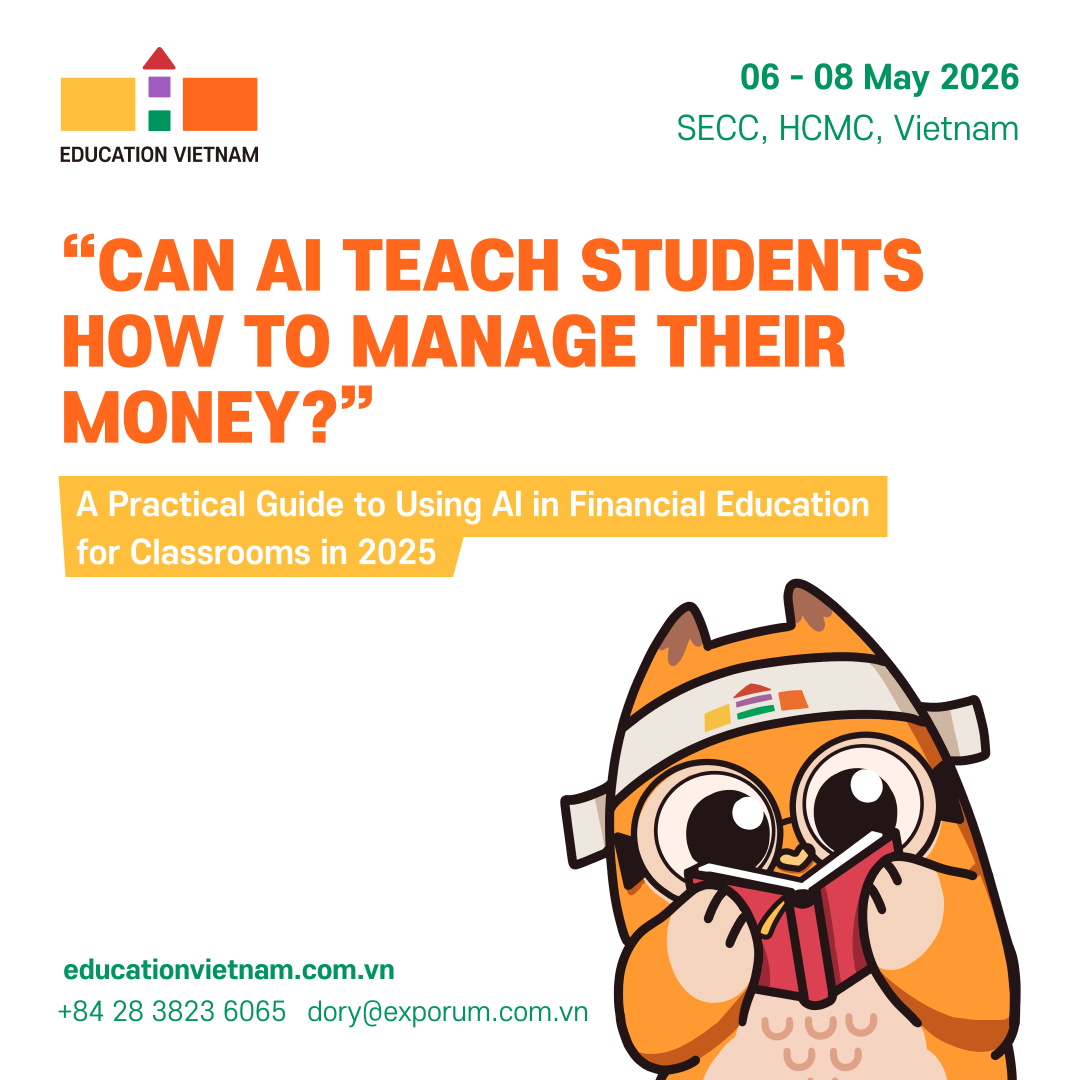
🤖 "Can AI teach you how to manage your allowance?" - A Comprehensive Guide to AI-Applied Financial Education in the 2025 Classroom
17/3/2026
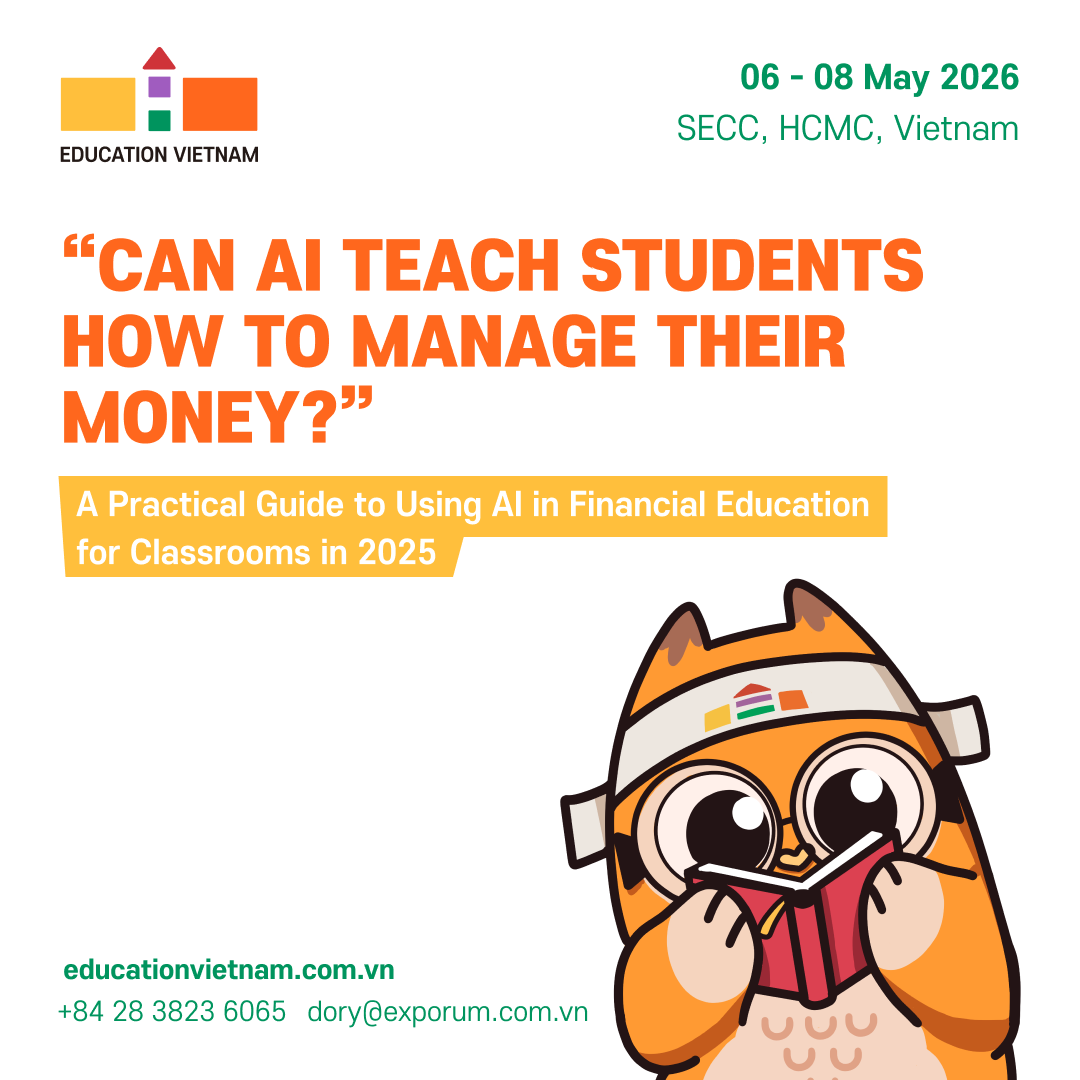
🤖 "AI có thể dạy bạn quản lý tiền tiêu vặt ư?" - Cẩm Nang Toàn Diện về Giáo Dục Tài Chính Ứng Dụng AI Trong Lớp Học 2025
17/3/2026
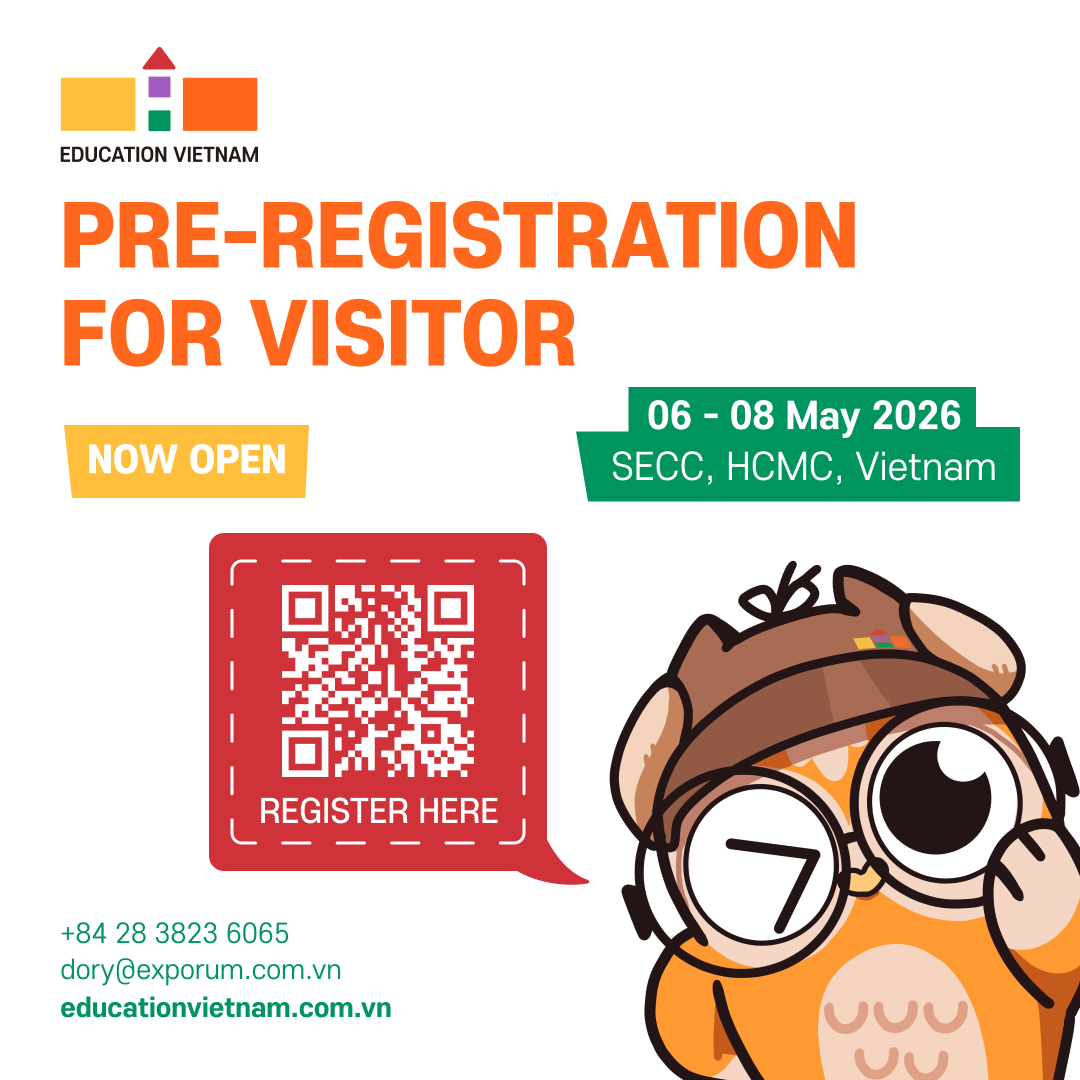
Visitor Registration is NOW OPEN!
12/3/2026
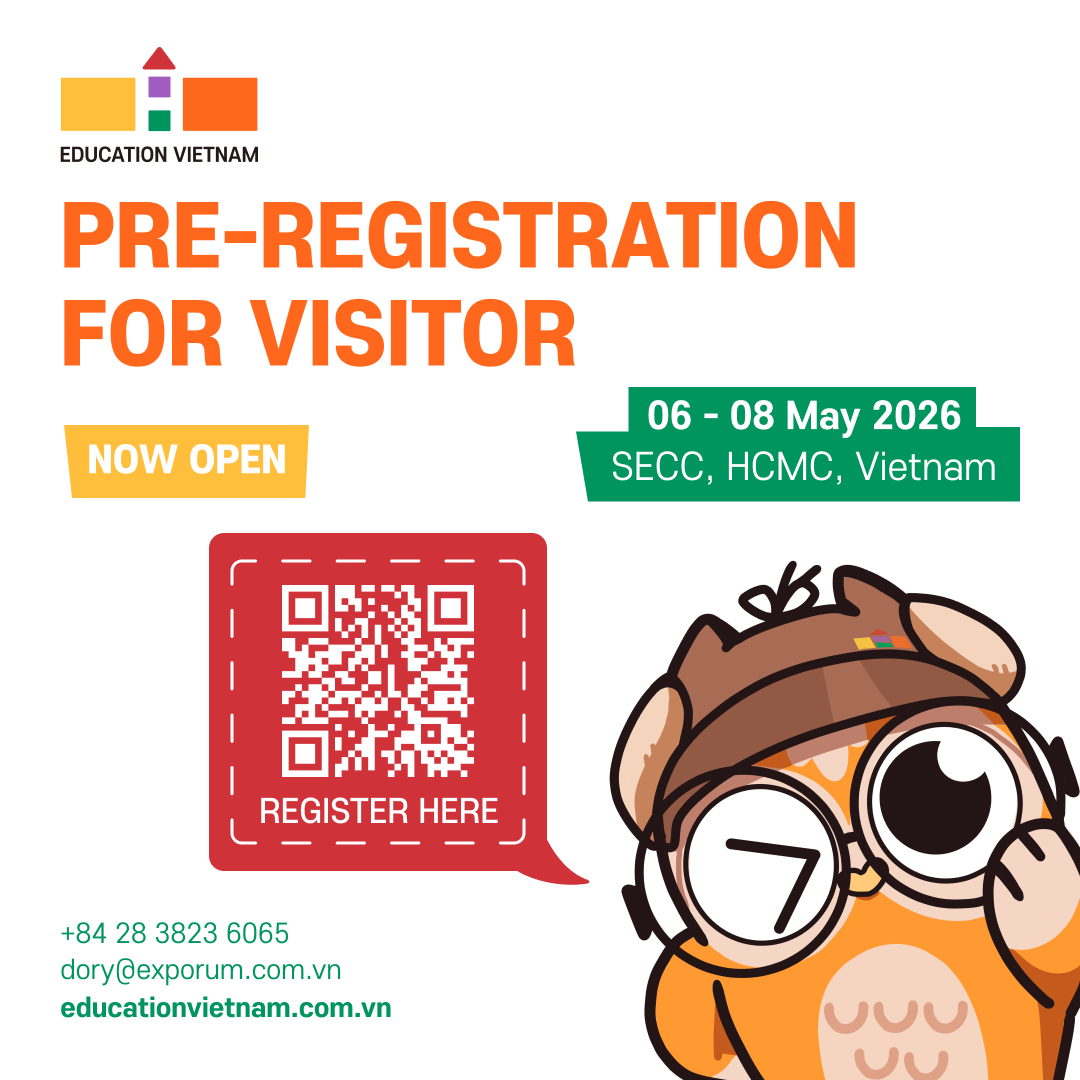
MỞ CỔNG ĐĂNG KÝ KHÁCH THAM QUAN!
12/3/2026

[EDUCON 2025] STREAMLINING EDUCATIONAL ADMINISTRATION WITH AI: RESOURCE OPTIMIZATION SOLUTIONS FROM CANON SINGAPORE
10/3/2026