


Education Vietnam 2027
May 06 (Thu) ~ 08 (Sat), 2027,
SECC, HCMC, Vietnam
Top 7 Educational Trends in 2025: Preparing for the Future of Learning
18/11/2025
In 2025, global education is undergoing a major transformation. Traditional static classrooms are evolving into flexible learning environments, and conventional teaching methods are shifting toward experiential, personalized, and lifelong learning.
If you want to stay ahead of the curve, here are 7 key educational trends you can’t afford to miss.
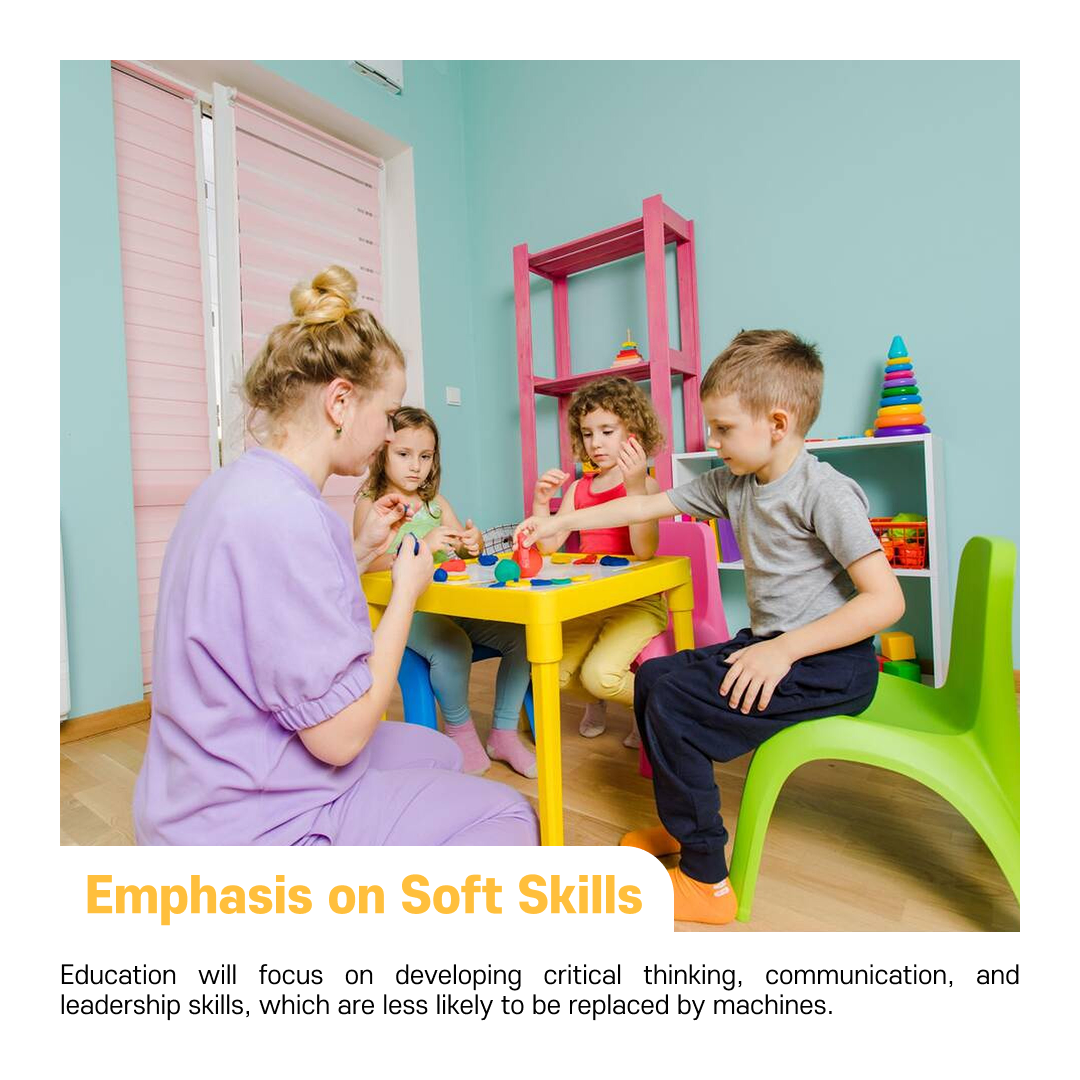
1. Soft Skills First – Human strengths that AI can’t replace
In an era of AI and automation, soft skills are irreplaceable. Education in 2025 emphasizes critical thinking, communication, leadership, and adaptability.
Practical applications:
- Classroom discussions, debates, and real-world problem-solving activities.
- Extracurricular clubs and workshops to strengthen soft skills.
Benefits: students are equipped not just with knowledge, but also the ability to thrive in dynamic work environments.
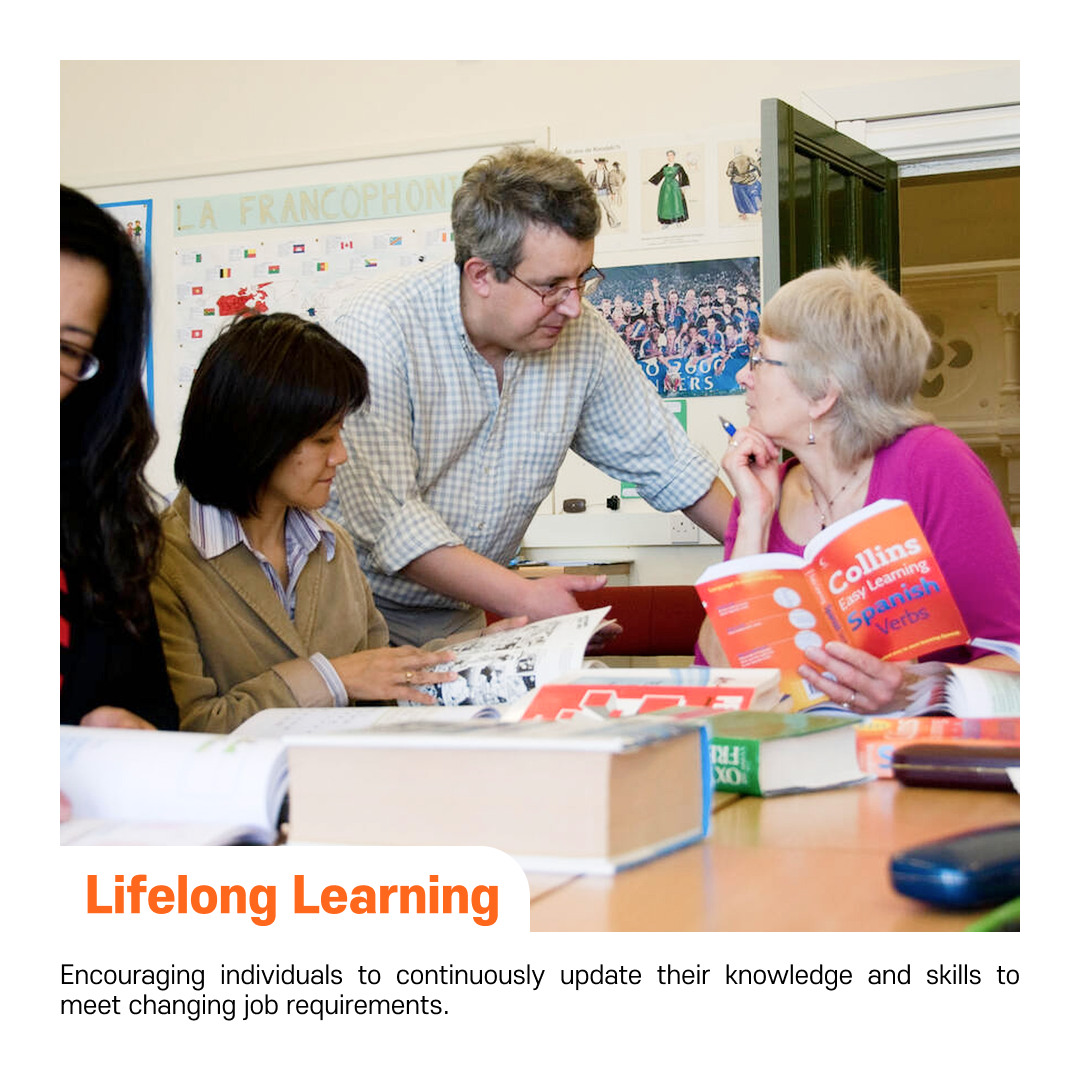
2. Lifelong Learning – Continuous personal upgrade
The rapidly changing world requires individuals to update their skills and knowledge continuously. Lifelong learning encourages people to learn anytime, anywhere.
Applications:
- Online learning platforms (MOOCs, EdTech apps) offering flexible courses.
- Students and professionals can upgrade skills at their own pace and according to career needs.
Benefits: fosters a self-driven, lifelong learning culture.
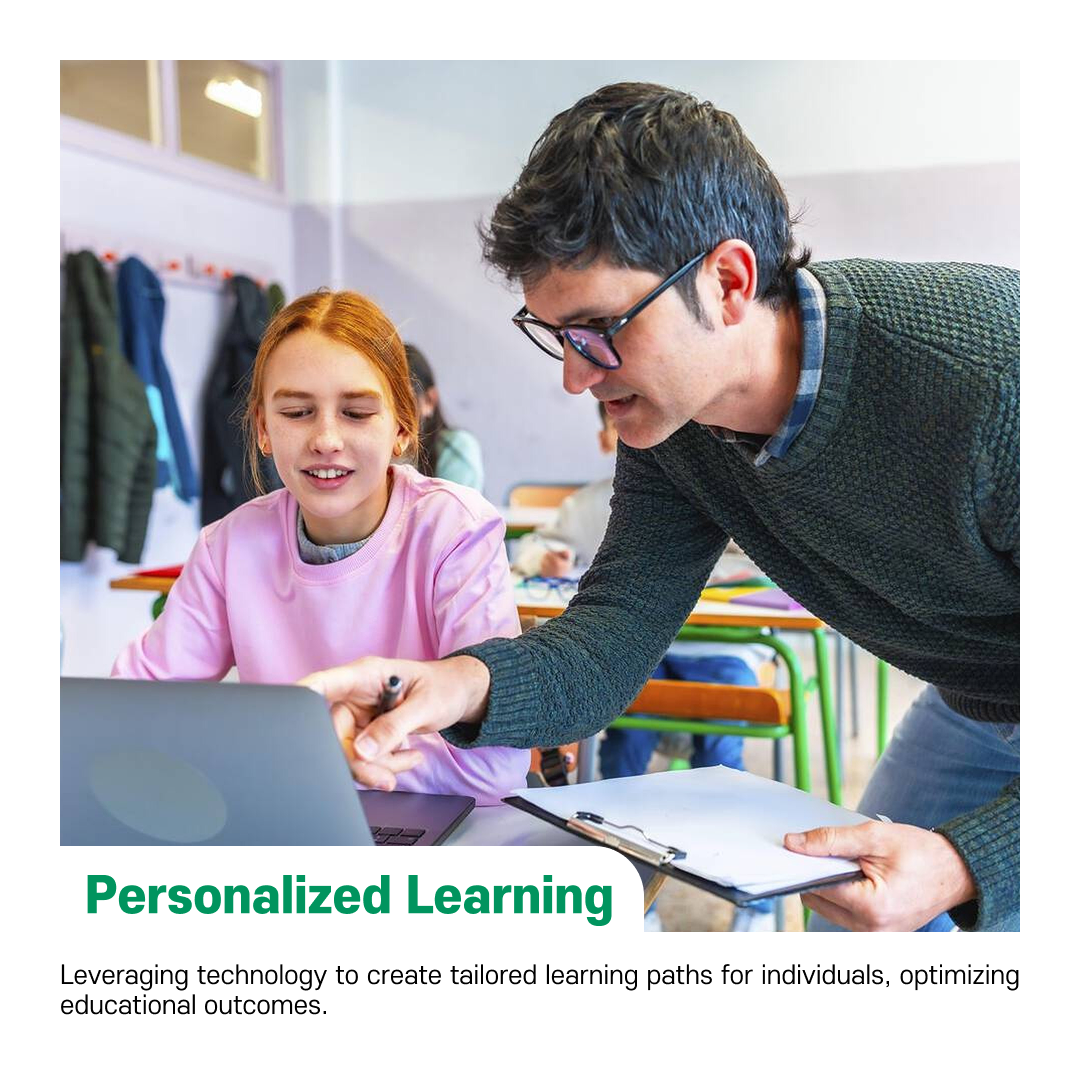
3. Personalized Learning – Tailored pathways for every learner
Personalized learning leverages technology to create learning pathways suited to individual learners, maximizing educational outcomes.
Examples:
- Online platforms recommending exercises and topics based on current skill levels.
- Teachers analyzing learning data to provide timely support.
Benefits: reduces learning gaps, increases engagement, and improves academic performance.
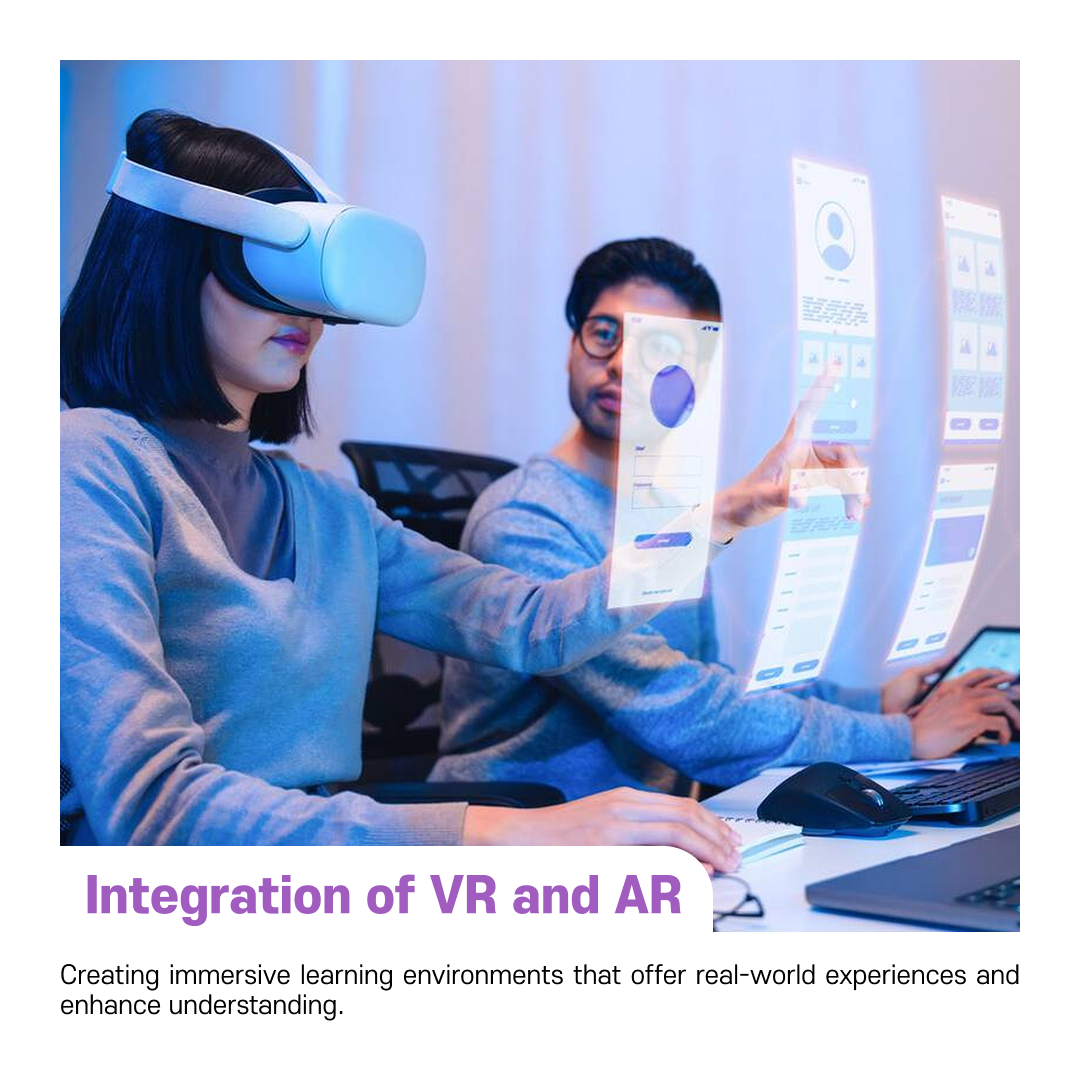
4. AR/VR Learning – Experience before you learn
Augmented Reality (AR) and Virtual Reality (VR) offer immersive learning experiences. Students can "step into" historical sites, explore the human body, or simulate science experiments safely.
Applications:
- Science students interact with 3D models of molecules, organs, or ecosystems.
- History students virtually explore ancient monuments or historical battles.
Benefits: enhances understanding, memory retention, and learning engagement.
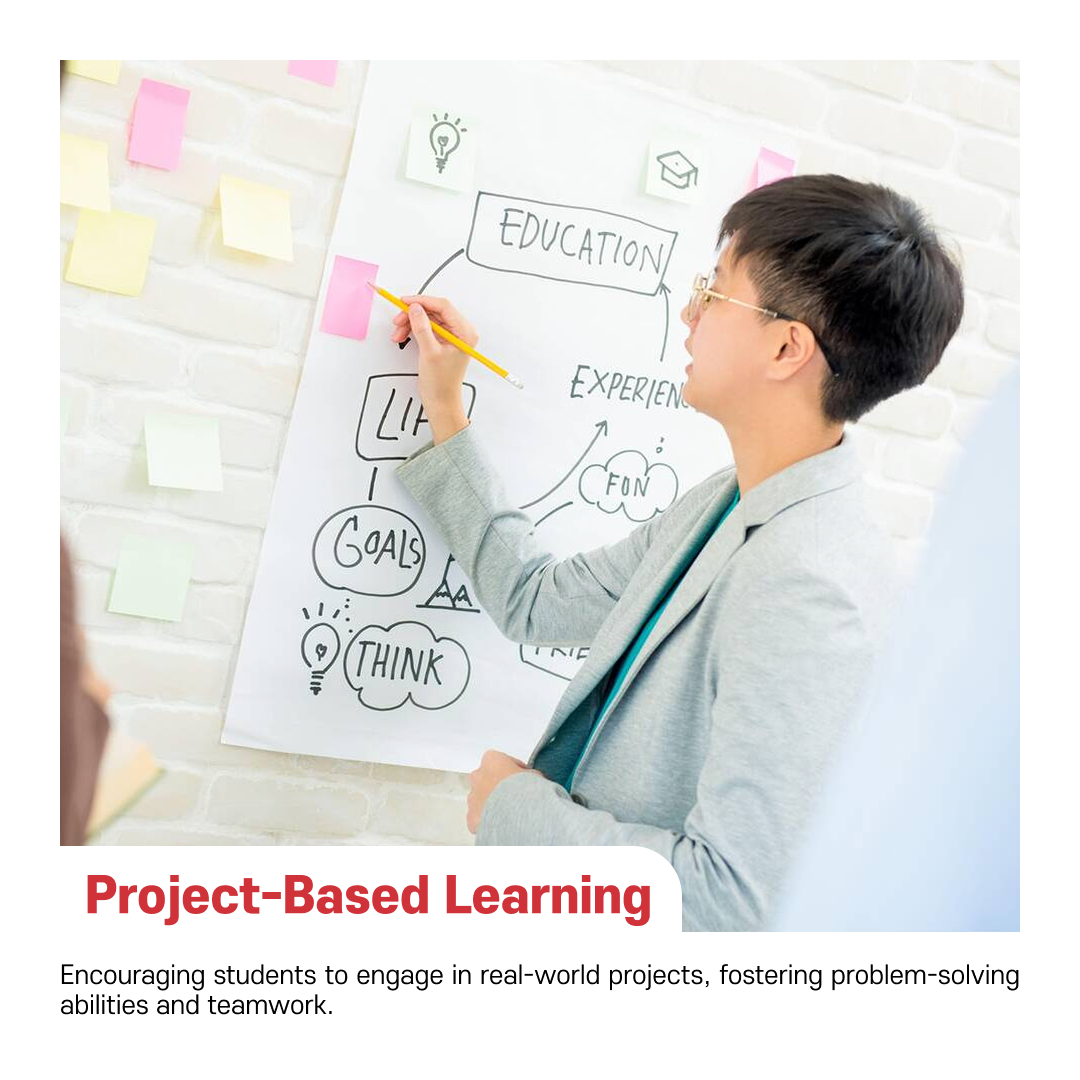
5. Project-Based Learning – Learning by doing
Project-based learning (PBL) encourages problem-solving, teamwork, and creativity.
Examples:
- STEM Labs: students build robots, 3D-print models, or design engineering projects.
- Community projects: applying knowledge to solve real-world issues.
Benefits: students apply theory to practice, preparing for future careers.
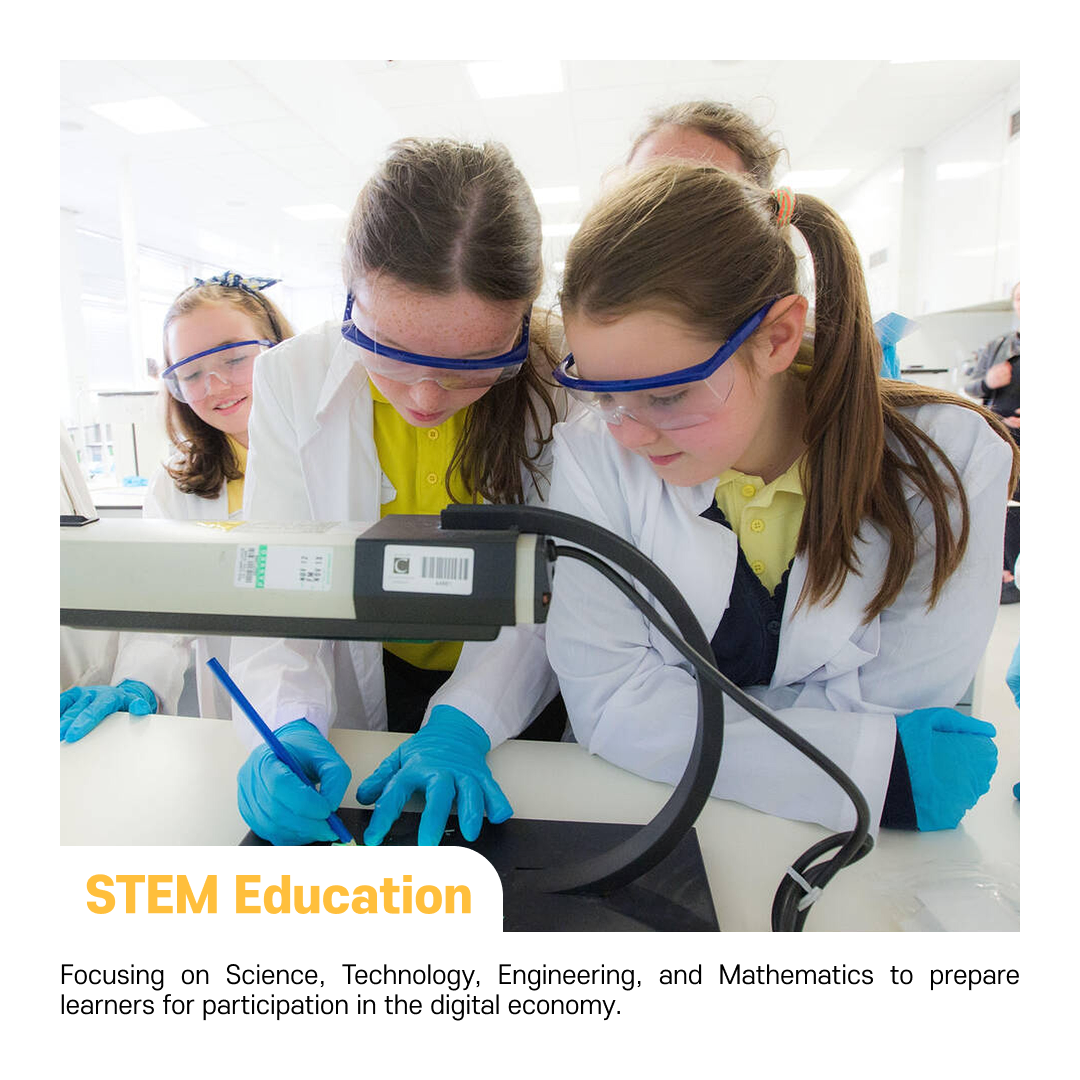
6. STEM Education – The foundation of the digital era
STEM (Science, Technology, Engineering, Mathematics) forms the core foundation for digital-age education. It equips students with both technical knowledge and critical thinking, problem-solving, and creativity skills.
Applications:
- Programming, robotics, engineering, and science labs.
- Collaborations with tech companies to provide hands-on learning opportunities.
Benefits: prepares students for the global digital economy.

7. Flexible Assessment – Measuring real competencies
Beyond traditional exams, flexible assessment uses continuous, diverse methods to reflect actual competencies.
Applications:
- Portfolios: students maintain records of assignments, projects, and progress.
- Peer review: evaluation by classmates, teachers, and self-assessment.
Benefits: promotes fair, holistic learning environments.
🌐 Connect Trends with Education Vietnam 2026
To stay updated on emerging trends, explore cutting-edge EdTech, and network with global education experts, join Education Vietnam 2026.
📅 Date: May 6–8, 2026
📍 Venue: SECC – Saigon Exhibition & Convention Center, Ho Chi Minh City
⏳ Register before December 31, 2025 to secure the Early Bird offer. Take advantage to:
- Experience AR/VR learning, STEM Labs, and smart education solutions.
- Connect with startups, educational organizations, and EdTech companies.
- Stay informed about emerging trends from Soft Skills to Personalized Learning.
👉 Are you ready to step into the future of education with #EDV26?
📅 Event Details
Date: May 6–8, 2026
Venue: SECC – Saigon Exhibition and Convention Center, Ho Chi Minh City
----
📬 Contact us
📧 Email: dory@exporum.com.vn
📞 Hotline: +84 28 3823 6065
🌐 Website: educationvietnam.com.vn
Bài viết mới nhất
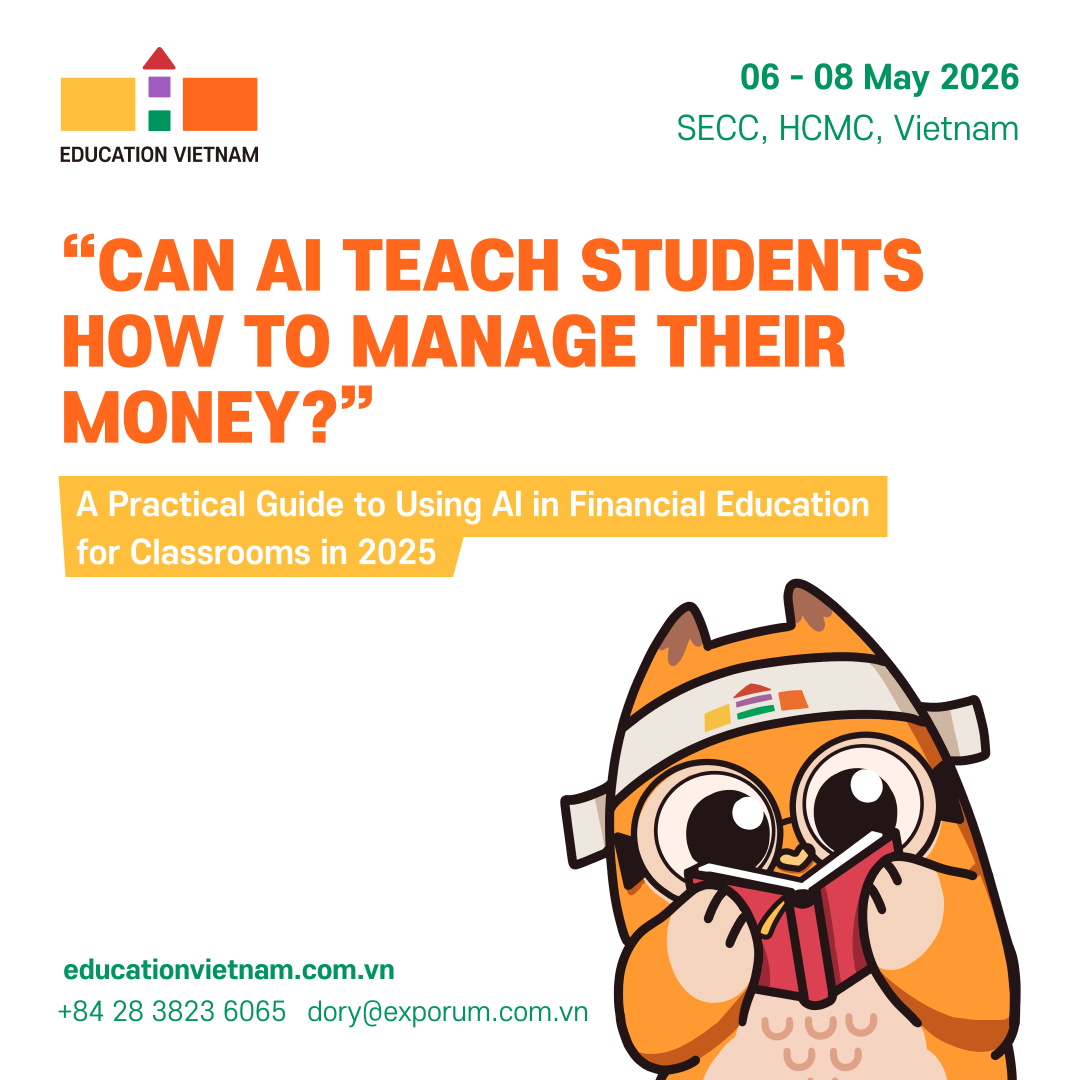
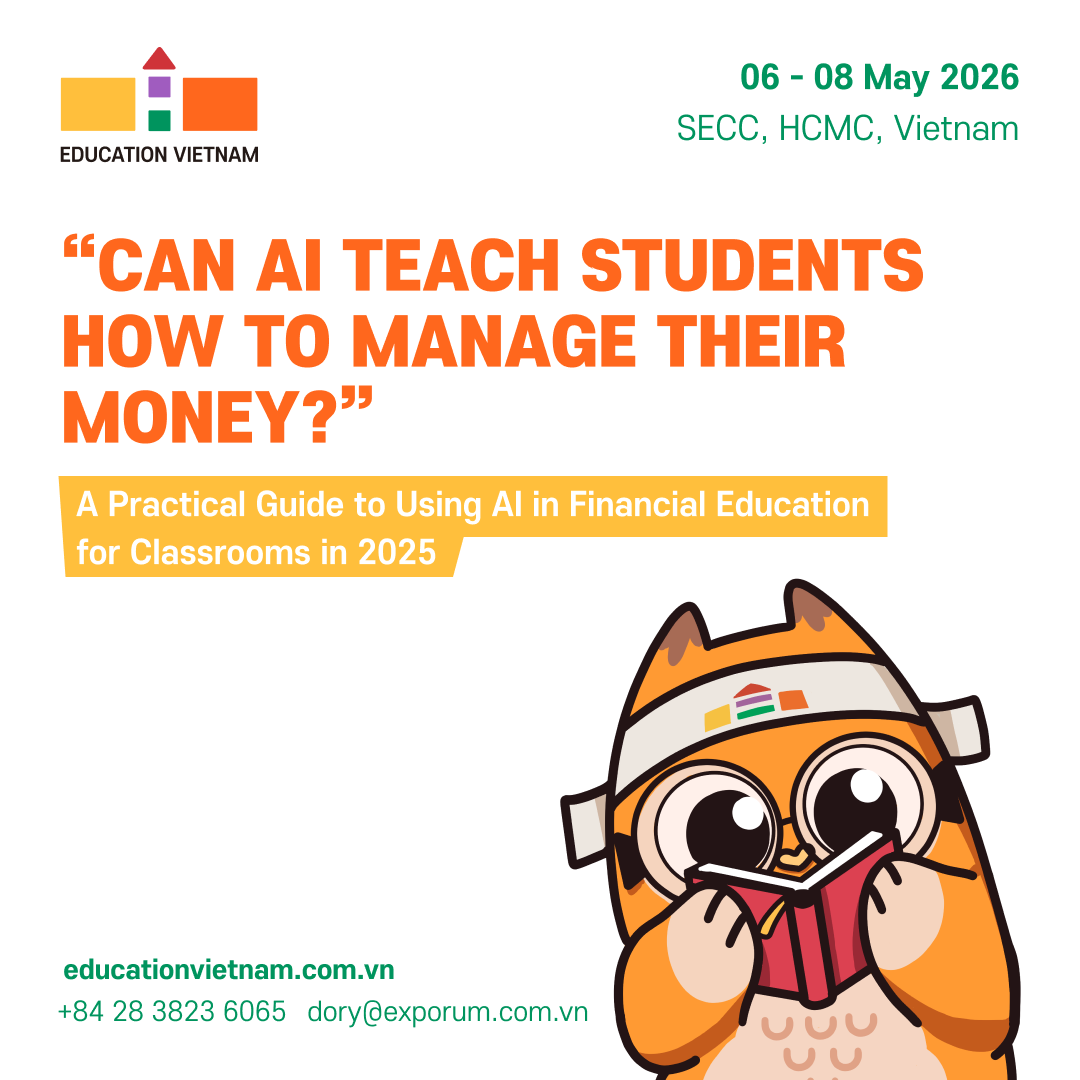
🤖 "Can AI teach you how to manage your allowance?" - A Comprehensive Guide to AI-Applied Financial Education in the 2025 Classroom
17/3/2026
🤖 "AI có thể dạy bạn quản lý tiền tiêu vặt ư?" - Cẩm Nang Toàn Diện về Giáo Dục Tài Chính Ứng Dụng AI Trong Lớp Học 2025
17/3/2026
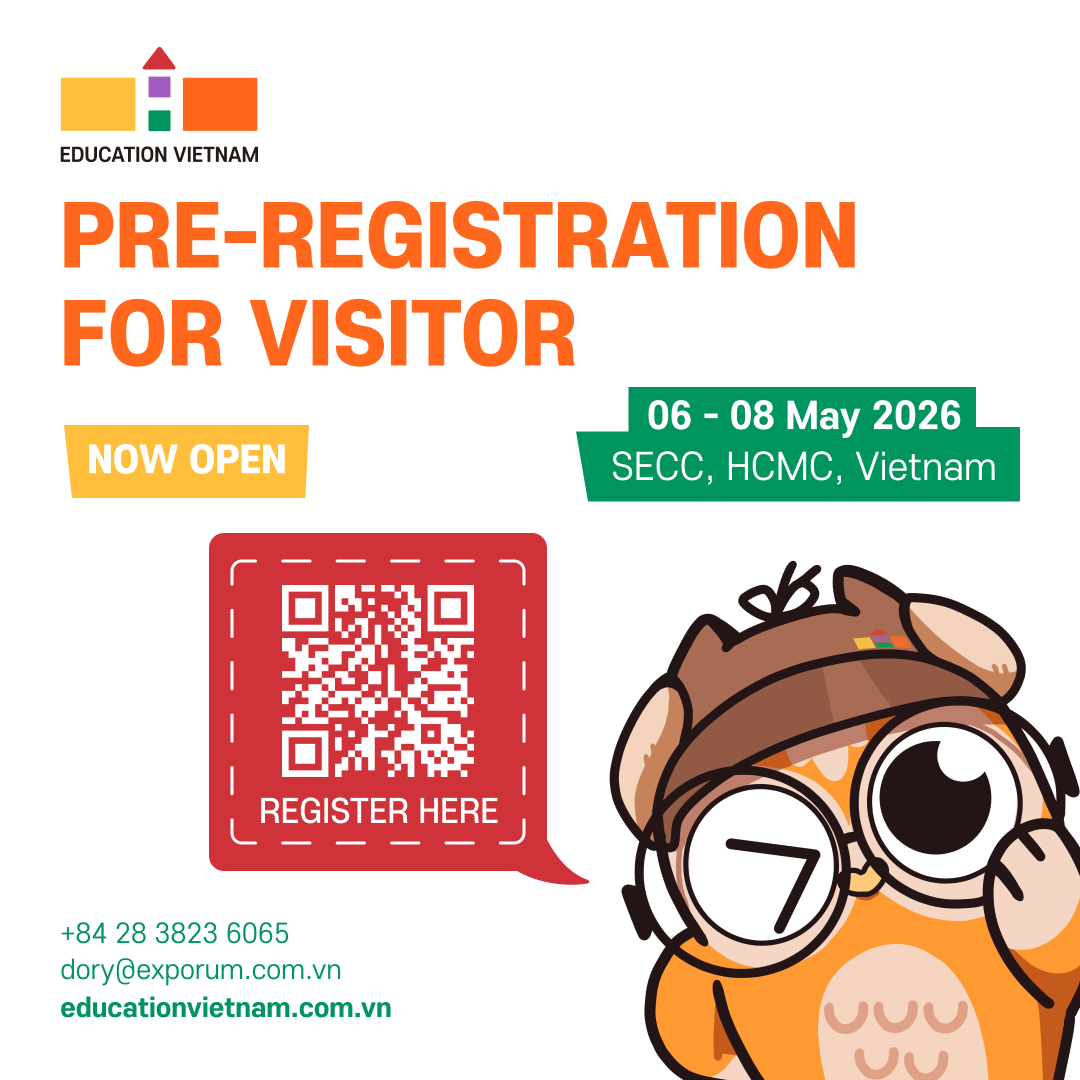
Visitor Registration is NOW OPEN!
12/3/2026
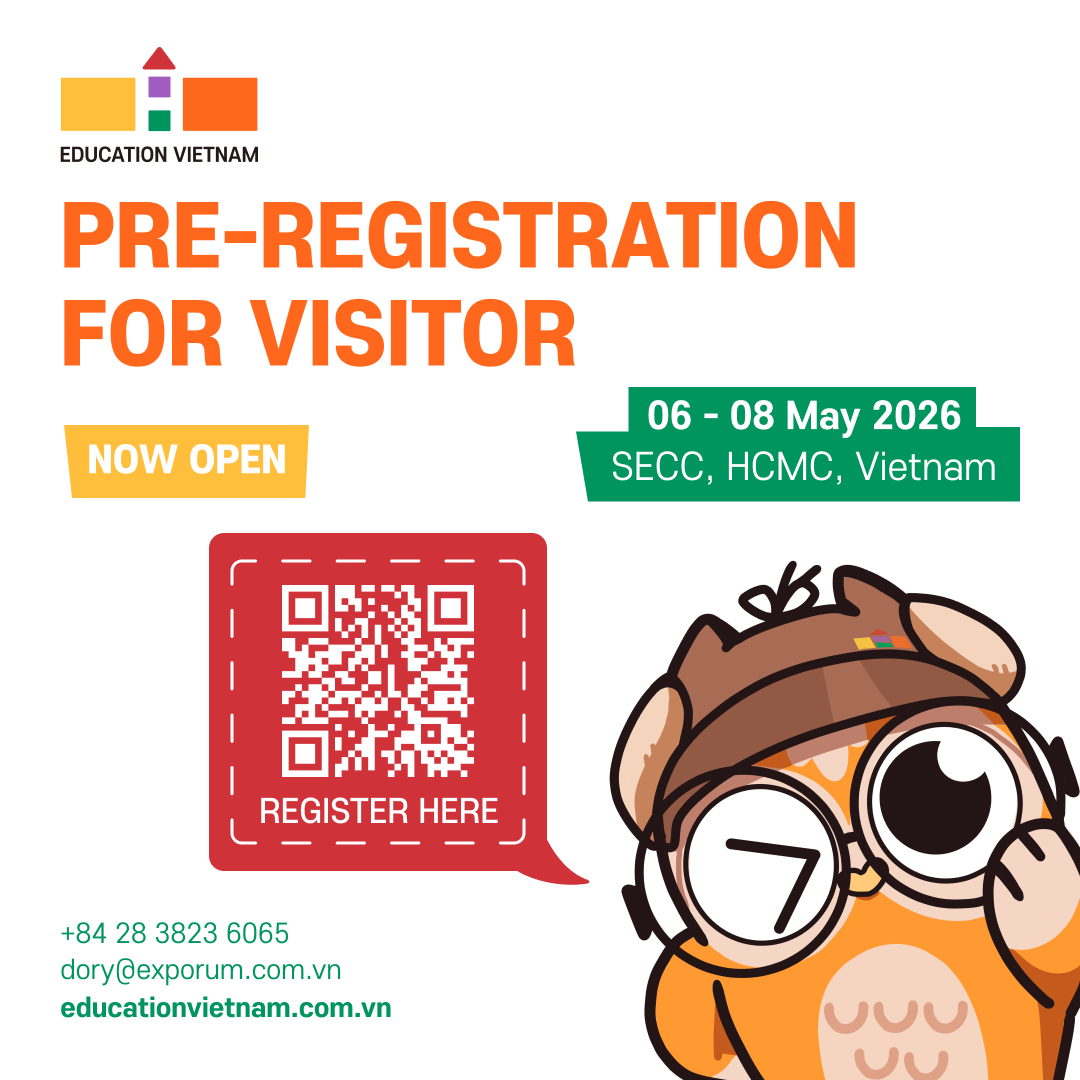
MỞ CỔNG ĐĂNG KÝ KHÁCH THAM QUAN!
12/3/2026
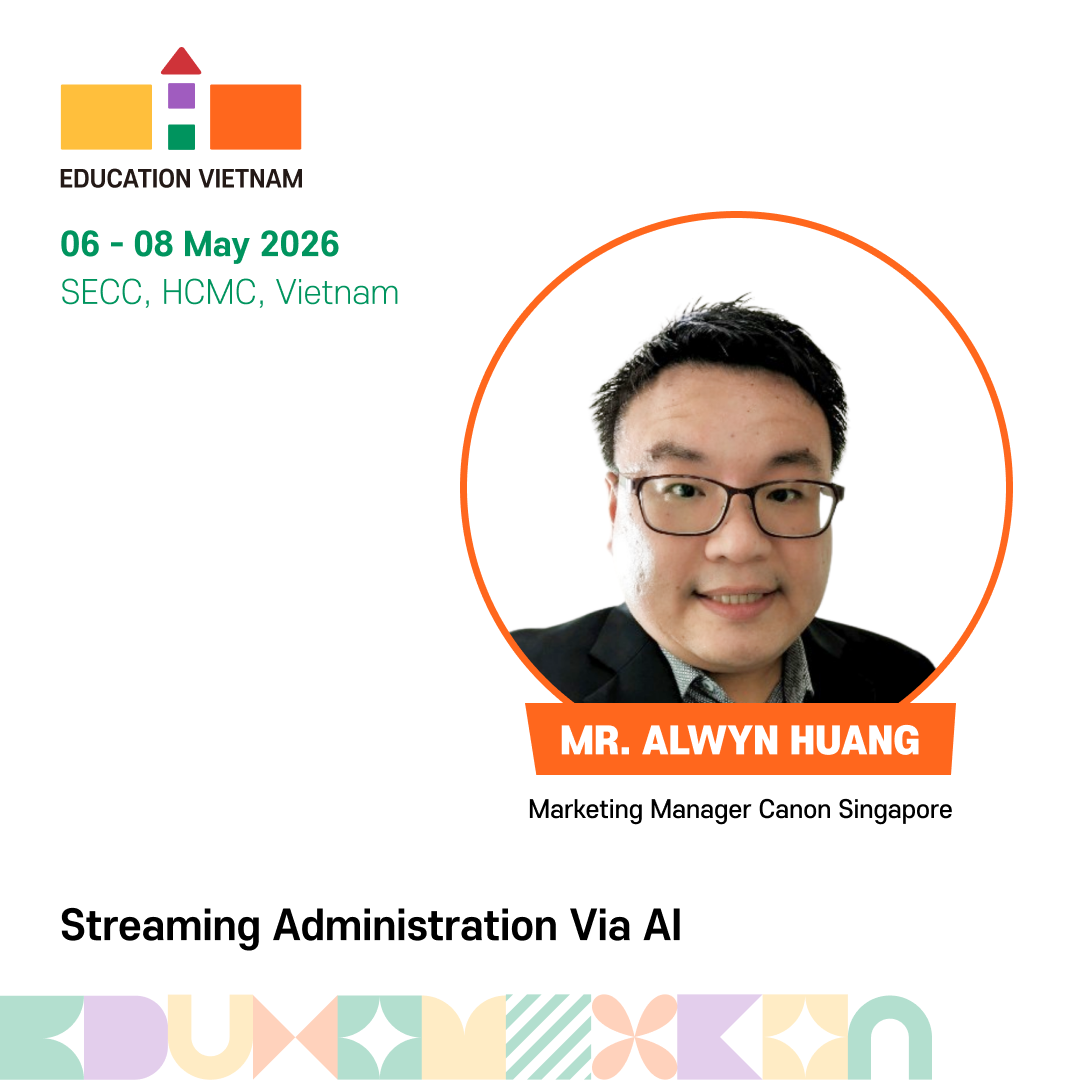
[EDUCON 2025] STREAMLINING EDUCATIONAL ADMINISTRATION WITH AI: RESOURCE OPTIMIZATION SOLUTIONS FROM CANON SINGAPORE
10/3/2026