


Education Vietnam 2027
May 06 (Thu) ~ 08 (Sat), 2027,
SECC, HCMC, Vietnam
From the 2026–2027 School Year: Vietnam to Introduce a Unified National Textbook – A Milestone in Education Reform
31/10/2025
.png)
1. Why a unified textbook matters more than ever
For years, Vietnam’s multi-textbook system offered diversity but also revealed inequalities in content quality, accessibility, and cost. Parents, teachers, and schools often faced challenges in choosing among different versions, while disparities between urban and rural areas widened.
The unified textbook aims to standardize learning content across all regions, ensuring every student—no matter where they live—has equal access to quality education.
According to Minister Nguyen Kim Son, the new textbooks will be developed through a rigorous, scientific process that builds on the strengths of current versions while addressing inconsistencies. The goal is to deliver more coherent, practical, and learner-centered content that reflects international best practices.
This marks a significant shift: education in Vietnam is no longer just about what students learn, but how they learn—and how that learning prepares them for a rapidly changing, technology-driven future.
2. Digital Transformation and AI: The new foundation of teaching and learning
Parallel to the new textbook policy, MOET is also prioritizing digital transformation and AI-powered teacher training—two critical pillars that will define the next generation of Vietnamese education.
As Artificial Intelligence (AI) reshapes industries worldwide, education must evolve accordingly. Training teachers to understand and utilize AI is essential not only to improve teaching efficiency but also to enable personalized learning experiences for every student.
Imagine classrooms where teachers use AI-based platforms to assess student progress in real time, or digital textbooks that adapt to each learner’s strengths and weaknesses. In this vision, textbooks are no longer static printed pages, but interactive gateways into a world of connected learning experiences.
AI can also help automate administrative tasks, recommend personalized exercises, and track performance across diverse learning environments—empowering teachers to focus on creativity and mentorship.
3. Empowering teachers: The cornerstone of successful reform
No education reform can succeed without investing in teachers—the core of any learning ecosystem.
MOET has emphasized that implementing the new textbooks must go hand in hand with comprehensive teacher training, particularly in technology integration and digital teaching methods.
Training programs on AI, AR/VR, data analytics, and online learning platforms are being developed nationwide to help teachers embrace innovative pedagogies. The aim is not just to help teachers “teach correctly,” but to inspire them to teach creatively, leveraging technology to make learning more engaging and effective.
This shift also creates vast opportunities for EdTech companies, educational institutions, and content developers, as Vietnam becomes one of the most dynamic emerging markets for digital education.
4. Beyond a textbook: A vision for equitable and human-centered education
The introduction of a unified national textbook represents more than a curriculum update—it symbolizes Vietnam’s long-term vision for an equitable, modern, and human-centered education system.
Key principles behind this reform include:
- Ensuring equal access to knowledge for all students, regardless of region or background.
- Fostering creativity and critical thinking rather than rote memorization.
- Building an adaptive, inclusive, and globally connected education ecosystem.
In alignment with Resolution 71 of the Politburo, the Ministry also plans to provide free textbooks to all students nationwide by 2030, reinforcing the commitment to equity and social responsibility.
5. Toward a connected learning ecosystem
With the implementation of a unified textbook, Vietnam will be positioned to develop a centralized learning data system, serving as the backbone for nationwide digital transformation in education.
This system will enable better coordination among schools, improve policymaking through data-driven insights, and create new opportunities for adaptive learning models.
Technologies such as AI, IoT, cloud computing, and Big Data will play a vital role in this process—allowing educators and policymakers to analyze student progress, forecast learning trends, and design evidence-based improvement strategies.
6. Vietnam’s education future: Unified – Smart – Global
The introduction of unified textbooks and AI-based teacher training are not isolated reforms—they are two interlinked pillars of Vietnam’s long-term education modernization strategy.
By embedding technology into every aspect of teaching and learning, Vietnam is accelerating toward a vision of “smart, lifelong, and globally integrated education.”
From 2026 onward, the reform will become tangible—beginning with the first generation of students who will study under this unified curriculum. These learners will represent the pioneers of Vietnam’s digital education era, where knowledge, technology, and creativity come together to shape the future.
7. Conclusion
A unified textbook represents more than standardization—it reflects a shared national vision:
- A vision of equal opportunity for every learner.
- A vision of empowered teachers who lead with innovation and compassion.
- A vision of a future-ready education system where technology serves humanity.
As Vietnam steps into this new era, the 2026–2027 school year will mark not just the beginning of a new curriculum, but the dawn of a smarter, more connected, and more inclusive education system for generations to come.
Bài viết mới nhất
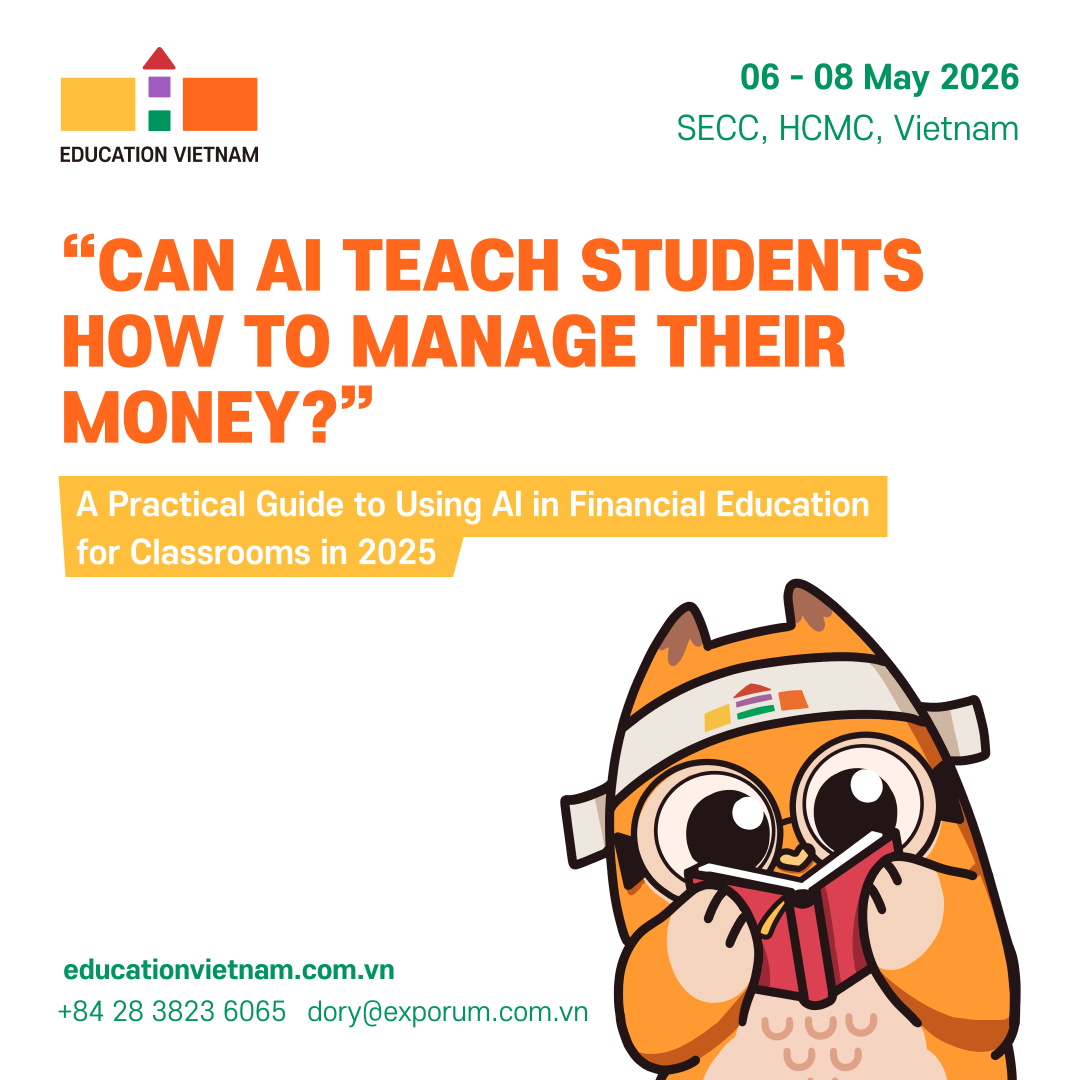
🤖 "Can AI teach you how to manage your allowance?" - A Comprehensive Guide to AI-Applied Financial Education in the 2025 Classroom
17/3/2026
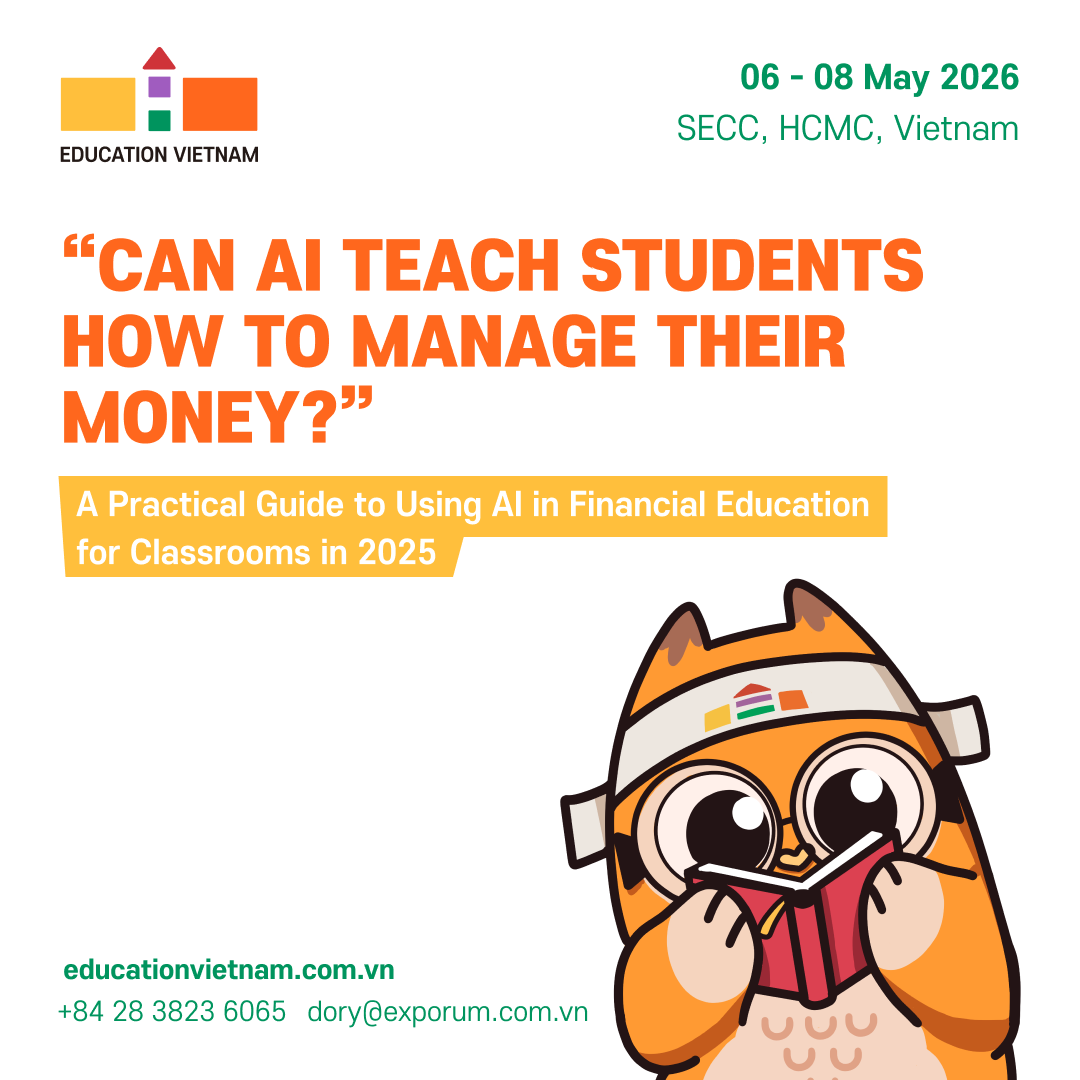
🤖 "AI có thể dạy bạn quản lý tiền tiêu vặt ư?" - Cẩm Nang Toàn Diện về Giáo Dục Tài Chính Ứng Dụng AI Trong Lớp Học 2025
17/3/2026

Visitor Registration is NOW OPEN!
12/3/2026

MỞ CỔNG ĐĂNG KÝ KHÁCH THAM QUAN!
12/3/2026

[EDUCON 2025] STREAMLINING EDUCATIONAL ADMINISTRATION WITH AI: RESOURCE OPTIMIZATION SOLUTIONS FROM CANON SINGAPORE
10/3/2026